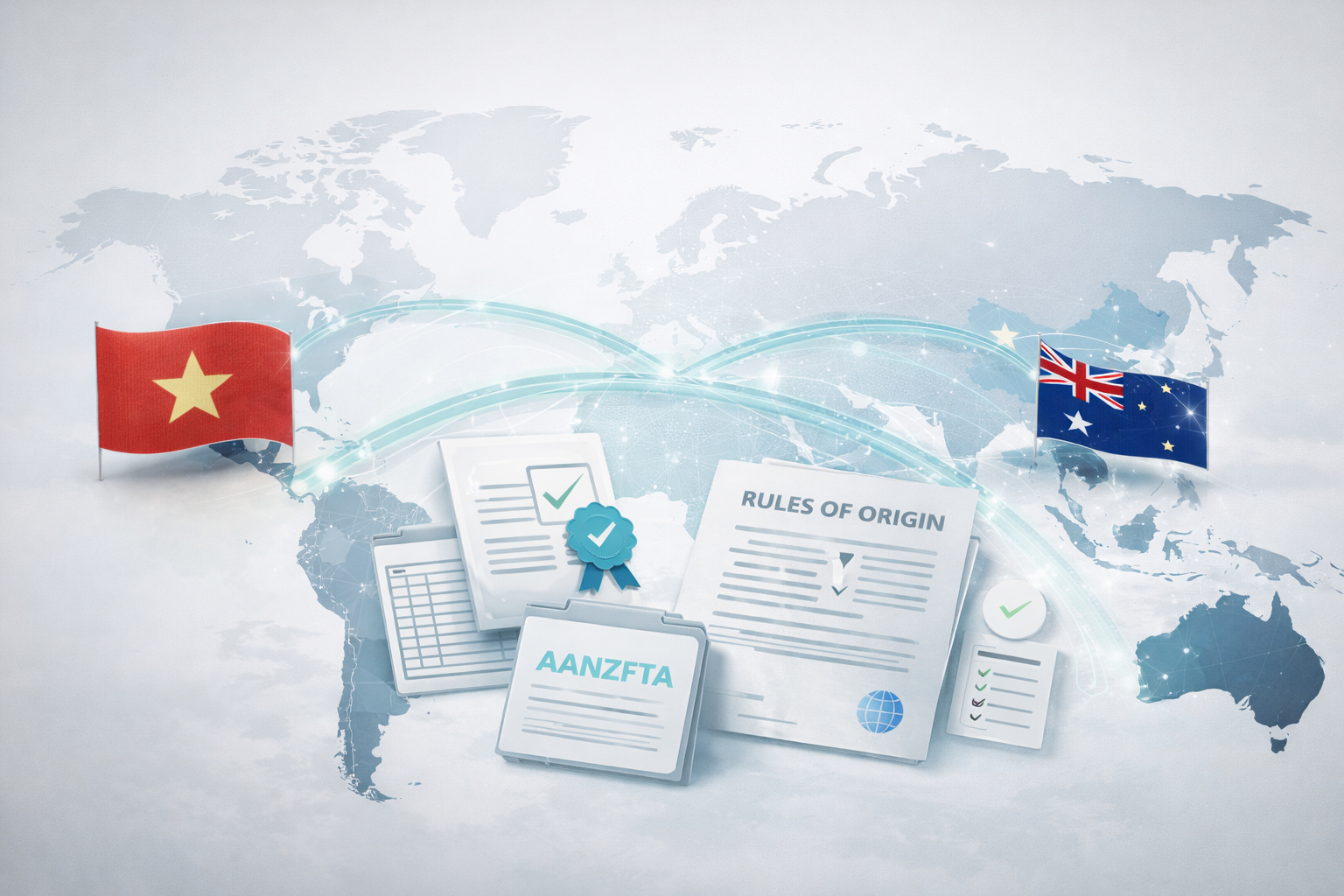
Export Process from Vietnam to Australia: A Practical Guide for Fabricated Steel Suppliers

For B2B exporters, the export process from Vietnam to Australia is not just a freight question. It is a coordination process that combines customs procedure, product classification, buyer-side import readiness, shipping documents, and trade-agreement logic. That is especially true for fabricated steel, where commercial success depends not only on making the goods correctly, but on
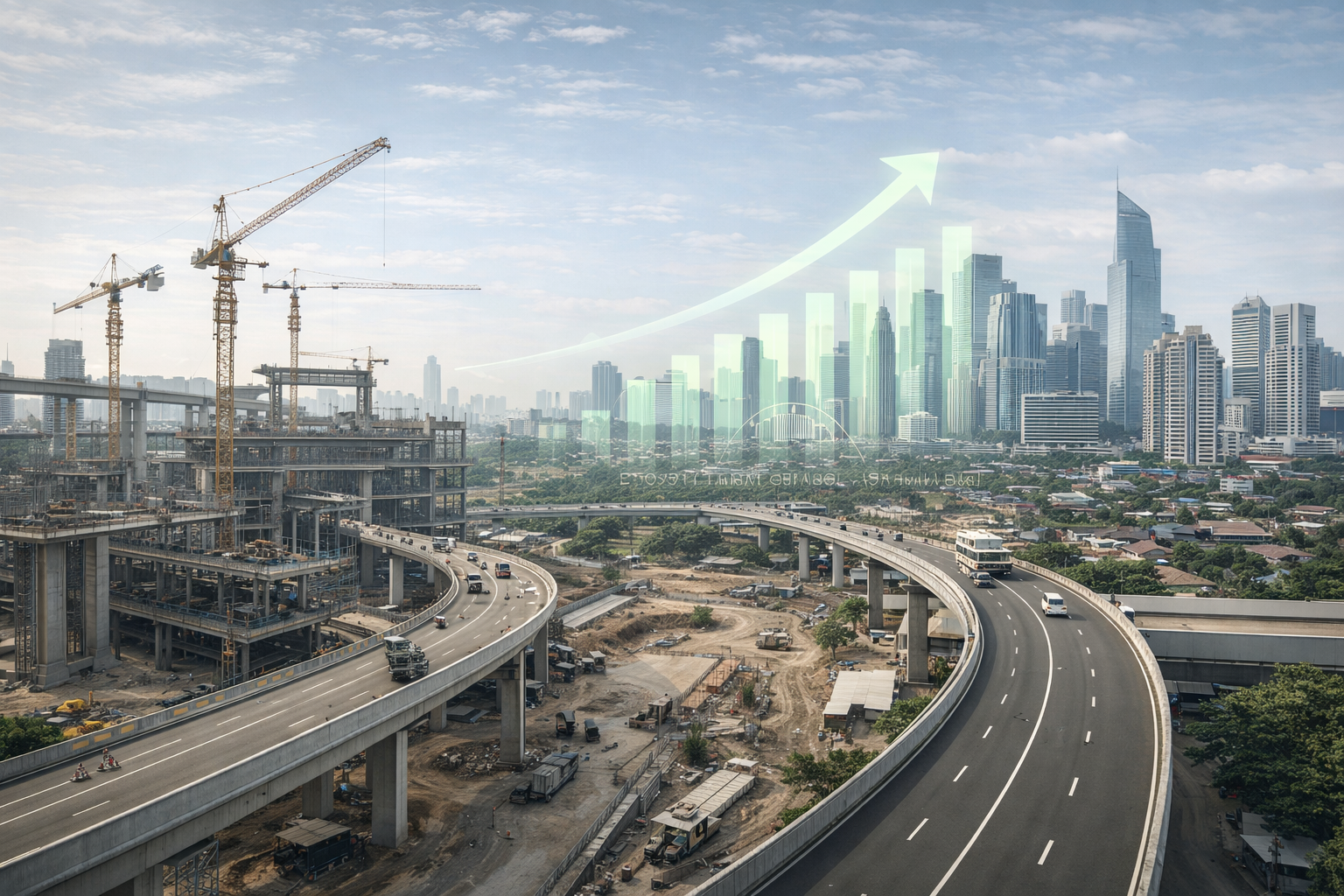
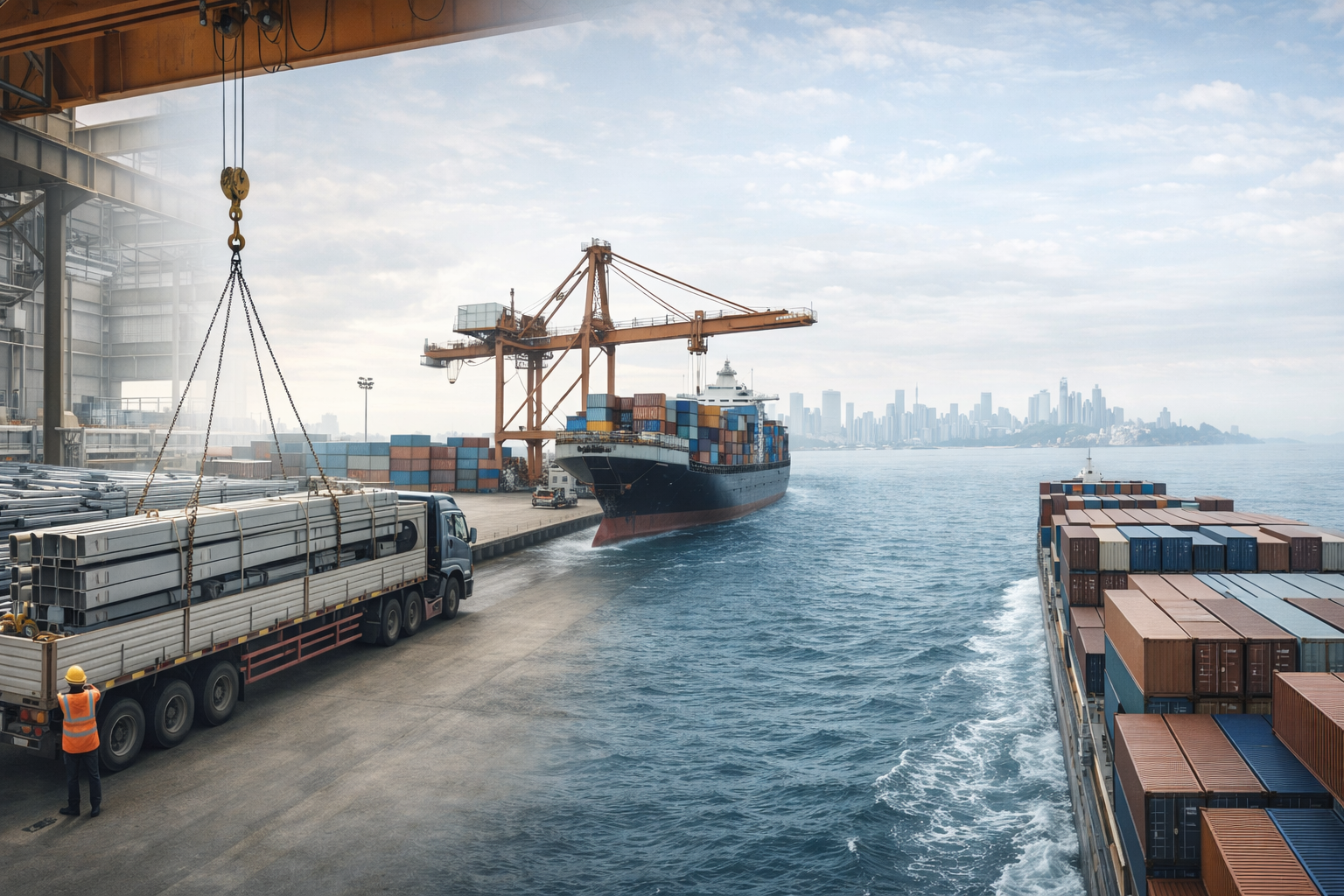
Steel Demand in Indonesia Construction Market: What Exporters and Buyers Should Watch

The conversation around steel demand in Indonesia construction market is becoming more important for regional exporters, project suppliers, and B2B sourcing teams. Indonesia is one of Southeast Asia’s largest economies, and construction remains a major economic sector. BPS-Statistics Indonesia reported that construction was the country’s fourth-largest economic sector in 2025 and contributed about 9.83 percent

Export Process from Vietnam to Australia: A Practical Guide for Fabricated Steel Suppliers

For B2B exporters, the export process from Vietnam to Australia is not just a freight question. It is a coordination process that combines customs procedure, product classification, buyer-side import readiness, shipping documents, and trade-agreement logic. That is especially true for fabricated steel, where commercial success depends not only on making the goods correctly, but on

Why Australia Imports Steel Fabrication from Asia: Cost, Capacity, and Supply Chain Logic

The question of why Australia imports steel fabrication from Asia is often discussed in political, industrial, and pricing terms. But for buyers, developers, contractors, and procurement teams, the issue is more practical than ideological. Imported fabricated steelwork continues to matter because Australian projects need reliable access to supply, competitive commercial options, and manufacturing ecosystems that

AS/NZS Requirements for Fabricated Steel: What Buyers Should Ask Before Ordering

For buyers involved in Australian construction, infrastructure, industrial facilities, or export-linked fabrication, the phrase AS/NZS requirements for fabricated steel is more than a technical checklist. It is a practical risk-management issue. If fabricated steelwork is intended for the Australian market, the supplier’s understanding of standards, welding requirements, documentation, and traceability can influence not only project

How PCJ FABRICATION Connects Steel Processing with Sustainability and Environmental Care

As industrial supply chains evolve, buyers are becoming more selective about the companies they work with. Product quality still matters. Delivery still matters. Price still matters. But in many B2B sectors, those factors are no longer enough on their own. Today, businesses also want to know how a supplier operates, what values shape its decisions,

PCJ FABRICATION Expands Steel Fabrication with a Sustainable Manufacturing Mindset

In today’s industrial market, steel fabrication is no longer judged only by output capacity or delivery speed. B2B buyers now pay closer attention to consistency, technical understanding, responsible production, and long-term supplier value. For companies looking for dependable fabrication partners, the decision often goes beyond cost. It becomes a question of capability, trust, and direction.